Your Cart is Empty
Shipping is free on orders over €60!
Shipping is free on orders over €60!

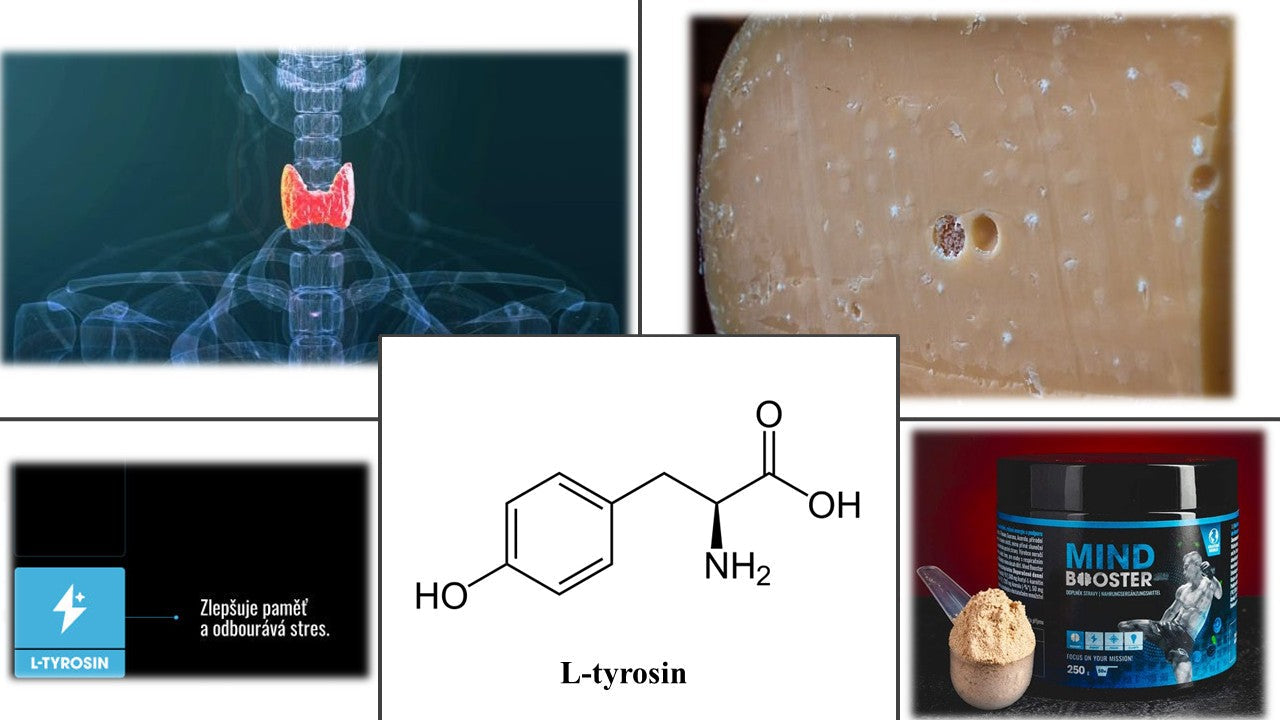
L-Tyrosine is a proteinogenic aromatic amino acid that, in healthy individuals, can be classified among the conditionally essential, or semi-essential, amino acids. The body can produce it by hydroxylation of the essential amino acid L-phenylalanine with the aid of the enzyme phenylalanine hydroxylase (PAH), which is active mainly in the liver (Fernstrom and Fernstrom, 2007; Matsumoto et al., 2026). In addition to its role as a building block of proteins, tyrosine is the precursor for three groups of physiologically important compounds. The first group consists of the catecholamines dopamine, norepinephrine and epinephrine, which are produced in the central and peripheral nervous systems and in the adrenal medulla. The second group includes the thyroid hormones thyroxine (T4) and triiodothyronine (T3), which are formed by iodination of tyrosyl residues in thyroglobulin. The third is the skin and hair pigment melanin (Daubner et al., 2011; Fernstrom and Fernstrom, 2007). During catabolic breakdown, tyrosine is metabolized in the liver via 4-hydroxyphenylpyruvate to fumarate and acetoacetate and is therefore both a glucogenic and ketogenic amino acid (Matsumoto et al., 2026). The substance was first described in 1846 by the German chemist Justus von Liebig, who obtained it by alkaline hydrolysis of casein, the principal protein in cheese (Liebig, 1846). This is also the origin of its name, which is derived from the Greek word tyrós, meaning cheese. Tyrosine occurs naturally in all protein-rich foods, especially aged hard cheeses, in which its white crystals are often visible to the naked eye, as well as in meat, fish, eggs, dairy products, soy, legumes, nuts and seeds. With a typical mixed diet, tyrosine intake amounts to several grams per day. In Japanese men aged 30 to 64 years, the average intake has been reported at approximately 3.5 g of tyrosine per day (Matsumoto et al., 2026), and according to the U.S. National Health and Nutrition Examination Survey (NHANES), the average intake from foods and dietary supplements is 2.8 g per day (VKM, 2016). This is supplemented by a similar amount of phenylalanine, part of which is converted to tyrosine in the body. For this reason, nutritional recommendations usually give a combined value for the sum of phenylalanine and tyrosine (Elango, 2023). Tyrosine from the normal diet differs from isolated tyrosine in a dietary supplement in that it is consumed together with the other amino acids in proteins and changes plasma levels only slightly, whereas pure L-tyrosine in gram doses behaves metabolically more like a pharmacologically administered substance (Young, 2007). A clinically important exception is phenylketonuria (PKU), an inherited PAH deficiency in which the body cannot convert phenylalanine into tyrosine. Tyrosine therefore becomes essential and is included in therapeutic amino acid mixtures (Remmington and Smith, 2021). L-Tyrosine has been available on the dietary supplement market since the 1980s. Initially, in the context of the catecholamine hypothesis of depression prevalent at the time, it was marketed as a natural antidepressant (Gelenberg et al., 1990). Its positioning later shifted toward stress- and concentration-focused nootropics, sports nutrition as an ingredient in mixtures taken before exercise, so-called “pre-workout” products, and products marketed to support mood, motivation or thyroid function. The most important scientific body of data comes from military research in the United States, particularly work by the U.S. Army Research Institute of Environmental Medicine (USARIEM) and U.S. Navy laboratories, supplemented by studies from the Dutch army. Since the late 1980s, these groups have investigated tyrosine as a nutritional means of counteracting declines in soldiers’ cognitive performance during cold exposure, at high altitude, during sleep deprivation and throughout demanding training phases (Banderet and Lieberman, 1989; Deijen et al., 1999; Mahoney et al., 2007; Neri et al., 1995; Shurtleff et al., 1994). This research remains the core of the evidence to this day. Reviews therefore do not regard L-tyrosine as a general enhancer of brain performance, but rather as a substance whose potential benefit is tied to situations involving acute and physiologically demanding stress (Attipoe et al., 2015; Jongkees et al., 2015; Young, 2007).
The systematic name of L-tyrosine is (S)-2-amino-3-(4-hydroxyphenyl)propanoic acid; older names include 4-hydroxyphenylalanine and para-hydroxyphenylalanine. Its molecular formula is C9H11NO3, its molar mass is approximately 181.19 g/mol, and its Chemical Abstracts Service (CAS) registry number is 60-18-4 (NCBI, 2026). The molecule consists of a phenolic ring, that is, a benzene ring with a hydroxyl group in the para position, connected through a methylene bridge to the α-carbon atom bearing an amino group and a carboxyl group (Fig. 1). The phenolic hydroxyl group is precisely what distinguishes tyrosine from phenylalanine and enables its further hydroxylation during catecholamine formation, iodination during thyroid hormone synthesis, phosphorylation in tyrosine kinase signaling and oxidation during melanin formation. Only the L-enantiomer with the S configuration is biologically active, because only this form serves as a substrate for tyrosine hydroxylase and amino acid transporters. Dietary supplements therefore contain the L-form. A practically important property is its low water solubility, which is approximately 0.45 g/L at 25 °C, while the substance dissolves more readily in acidic or alkaline media (Carta, 1999). A dose of several grams therefore does not dissolve in a beverage but forms a suspension, which complicates the formulation of powder mixtures and drinks. This was the main reason for the spread of N-acetyl-L-tyrosine (NALT), which is significantly more water-soluble. Greater solubility, however, does not mean greater tyrosine bioavailability. In an intravenous infusion of 5 g NALT in 11 healthy volunteers, plasma tyrosine increased by only about 25%, and 56% of the administered dose was excreted unchanged in the urine within 4 hours (Magnusson et al., 1989). In 13 patients receiving parenteral nutrition, approximately 35% was excreted unchanged, irrespective of infusion rate or renal function (Hoffer et al., 2003). Comparable pharmacokinetic studies after oral administration in humans are lacking. The available data, however, do not indicate that NALT is a better source of tyrosine than the free amino acid. Catecholamine biosynthesis begins with the hydroxylation of tyrosine to L-3,4-dihydroxyphenylalanine (L-DOPA) by the enzyme tyrosine hydroxylase (TH). This is the rate-limiting step of the entire pathway. TH is an iron-containing non-heme monooxygenase that requires tetrahydrobiopterin (BH4) as a cofactor and molecular oxygen. Its activity is regulated by phosphorylation of several serine residues and by feedback inhibition by the catecholamines themselves (Daubner et al., 2011). L-DOPA is subsequently decarboxylated to dopamine by aromatic L-amino acid decarboxylase, also known as DOPA decarboxylase. This enzyme requires pyridoxal-5′-phosphate, the active form of vitamin B6. In noradrenergic neurons and in the adrenal medulla, copper- and ascorbate-dependent dopamine-β-hydroxylase converts dopamine to norepinephrine, which is methylated to epinephrine in the adrenal medulla by phenylethanolamine-N-methyltransferase (Daubner et al., 2011; Fernstrom and Fernstrom, 2007). The catabolic pathway takes place in the liver. Tyrosine aminotransferase converts tyrosine to 4-hydroxyphenylpyruvate, from which homogentisate, maleylacetoacetate and fumarylacetoacetate are formed, ultimately yielding fumarate and acetoacetate (Matsumoto et al., 2026). Inherited defects in this pathway lead to tyrosinemias and alkaptonuria, in which homogentisic acid accumulates. Tyrosine supplementation is unsuitable in these disorders. Industrial L-tyrosine is now produced predominantly by microbial fermentation using genetically modified strains of Escherichia coli or Corynebacterium glutamicum with an enhanced shikimate pathway, or alternatively enzymatically from phenol, pyruvate and ammonia using tyrosine phenol-lyase. The older method based on acid hydrolysis of keratin proteins, for example from feathers or hair, has largely been abandoned (Chávez-Béjar et al., 2012; Kurpejović et al., 2023; Ping et al., 2023). A modified strain of E. coli achieved a yield of 92.5 g/L within 62 hours in a laboratory fermenter (Ping et al., 2023).

Figure 1.L-Tyrosine, its natural source and use.
After oral administration, L-tyrosine is absorbed in the small intestine via neutral amino acid transporters. Plasma concentrations increase in a dose-dependent manner and reach their peak after approximately 1 to 2 hours. In a classic study of 12 healthy fasting volunteers, concentrations remained elevated for about 6 to 8 hours after a dose of 100 or 150 mg/kg. After 150 mg/kg, they reached a maximum of 203 ± 31.5 nmol/mL, approximately three times baseline values, and no adverse effects were observed (Glaeser et al., 1979). For effects in the brain, the plasma concentration alone is not decisive; rather, what matters is the ratio of tyrosine to the other large neutral amino acids (LNAA), namely valine, leucine, isoleucine, phenylalanine, methionine and tryptophan. All of these compete for the same LAT1 (L-type amino acid transporter 1) at the blood-brain barrier (BBB) (Fernstrom and Fernstrom, 2007; Glaeser et al., 1979). After oral administration, this tyrosine ratio increases in a dose-dependent manner (Glaeser et al., 1979), and after 150 mg/kg it increased 2.9-fold before exercise (Tumilty et al., 2011). A protein-rich meal provides competing LNAAs at the same time. For this reason, tyrosine is administered in clinical studies in the fasting state or with a protein-free beverage. In older adults aged 60 to 75 years, the plasma response to the same dose is considerably greater than in young adults (van de Rest et al., 2017). The mechanistic basis of this entire field of research is the precursor-control hypothesis of catecholamine synthesis. Within the physiological range, the rate of catecholamine synthesis in the brain responds to the local concentration of the precursor. Increasing tyrosine in the brain, however, increases dopamine and norepinephrine production only in neurons that are actively firing (Fernstrom and Fernstrom, 2007). Under resting conditions, tyrosine hydroxylase is largely saturated with substrate and is inhibited by feedback from its own products (Daubner et al., 2011; Fernstrom and Fernstrom, 2007). In a rested person, additional tyrosine therefore does not substantially increase catecholamine synthesis. During intense activation of catecholaminergic neurons, as occurs under acute stress, cold, hypoxia, sleep deprivation or high cognitive load, TH is activated by phosphorylation, neurotransmitter stores may become depleted and precursor availability becomes a limiting factor. In that situation, supplemental tyrosine may support synthesis and delay a decline in performance. This concept is referred to as the “depletion hypothesis” and explains why tyrosine does not act like a conventional stimulant (Jongkees et al., 2015; Young, 2007). The hypothesis leads to the key prediction that tyrosine should be most helpful where stress actually impairs performance and should have the strongest effect in individuals who respond particularly strongly to stress. Clinical data generally support this prediction. In a double-blind crossover study, a dose of 100 mg/kg, divided into two portions and administered before a 4.5-hour combined exposure to cold and hypoxia, reduced the occurrence of symptoms, deterioration in mood and decline in performance. However, the effect was observed only in individuals whose stress response was at least average (Banderet and Lieberman, 1989). In 16 young adults exposed to 90 dB noise, 100 mg/kg tyrosine improved performance in two stress-sensitive tasks after one hour and reduced diastolic blood pressure 15 minutes after administration (Deijen and Orlebeke, 1994). A dose of 150 mg/kg completely reversed the decline in working memory caused by cold exposure at 4 °C, most clearly at the longest delay of 16 seconds between stimulus and response (Shurtleff et al., 1994). In 19 individuals during two 90-minute exposures to water at approximately 10 °C, 150 mg/kg before each exposure attenuated the cold-induced decline in working memory (Mahoney et al., 2007). During prolonged wakefulness of more than 24 hours, 150 mg/kg in divided doses attenuated psychomotor deterioration and reduced the likelihood of attentional lapses in a vigilance task. The improvement lasted for approximately 3 hours (Neri et al., 1995). In an extensive sleep-deprivation protocol, tyrosine at a dose of 150 mg/kg, as well as caffeine, phentermine and D-amphetamine, improved performance in some cognitive and motor tasks. The authors described it, however, as a substance warranting further investigation, not as an equivalent substitute for stimulants (Magill et al., 2003). In a field study, 10 cadets received five drinks containing 2 g tyrosine each day during a one-week combat training course, while 11 cadets received an isocaloric carbohydrate drink. The tyrosine group performed better in memory and tracking tasks and had lower systolic blood pressure (Deijen et al., 1999). Benefits have also been described in the absence of a physical stressor when the cognitive load was sufficiently high. In 10 men and 10 women, 150 mg/kg improved working-memory accuracy only during simultaneous performance of multiple tasks, not during a simple task (Thomas et al., 1999). More recent laboratory studies by the Leiden research group using a single 2 g dose extended these findings. Tyrosine improved working-memory updating in the demanding “2-back” task but not in the simple “1-back” task (Colzato et al., 2013), enhanced inhibitory control in a stop-signal task (Colzato et al., 2014), reduced switch costs between tasks as an indicator of cognitive flexibility (Steenbergen et al., 2015), and supported convergent thinking without affecting divergent “brainstorming” (Colzato et al., 2015). These studies are small, however, examine only acute administration and come predominantly from a single laboratory. One review concluded that tyrosine can reverse cognitive performance declines in short-term stressful or cognitively demanding situations. Its clinical potential is limited, however, and depends on the degree of disrupted neurotransmission (Jongkees et al., 2015). A systematic review of 15 studies found that cognitive improvement may be observed after a single dose, whereas data on repeated administration are almost entirely lacking and an effect on physical performance is generally not demonstrated (Hase et al., 2015). A review intended for military medicine using the REAL methodology (rapid evidence assessment of the literature), which included 10 randomized controlled trials (RCTs) and 4 controlled clinical studies, issued only a weak recommendation for cognitive performance under stress and made no recommendation for physical performance (Attipoe et al., 2015). Important counterpoints come from data on dose-response relationships, the type of stressor and age. In a study of 78 soldiers exposed to simulated captivity and interrogation, a dose of 300 mg/kg divided into two portions affected neither cortisol nor heart rate nor most mood parameters and only increased ratings of anger (Lieberman et al., 2015). In older adults, working memory worsened with increasing doses from 100 to 200 mg/kg, with the greatest deterioration in those with the highest plasma response (van de Rest et al., 2017). In a functional magnetic resonance imaging (fMRI) study, the effects of tyrosine on proactive inhibition and the associated activity of frontostriatal circuits in older adults became increasingly unfavorable with advancing age (Bloemendaal et al., 2018). This is consistent with an inverted U-shaped model in which dopamine supports cognition only up to an optimal level and impairs it above that level. An effect on mood and subjective stress in healthy individuals has not been convincingly demonstrated. Tyrosine therefore does not act as an anxiolytic; rather, it may help preserve cognitive function in an organism activated by stress (Attipoe et al., 2015; Lieberman et al., 2015; Young, 2007). In clinical populations, the results are predominantly negative. In a double-blind RCT of 65 outpatients with depression, administration of 100 mg/kg daily for 4 weeks showed no antidepressant effect compared with either placebo or imipramine (Gelenberg et al., 1990). Isolated older reports of benefit in a subgroup of patients with presumed dopamine deficiency were not confirmed in controlled studies (Jongkees et al., 2015). In an open-label study of 12 adults with attention deficit/hyperactivity disorder (ADHD), 8 showed improvement within 2 weeks, but all developed tolerance within 6 weeks (Reimherr et al., 1987). The Cochrane review of 3 studies involving 56 participants with PKU confirmed higher blood tyrosine levels but no improvement in intelligence or neuropsychological performance, and it does not recommend routine supplementation beyond dietary therapy (Remmington and Smith, 2021). In Parkinson’s disease, supplementation is mechanistically unconvincing because the deficit lies in the loss of dopaminergic neurons and TH, while treatment with levodopa bypasses the TH step (Jongkees et al., 2015). There is no clinical evidence that tyrosine supplementation supports thyroid function, because iodine and functional thyroid peroxidase are the limiting factors in hormone synthesis, not tyrosine availability. The data on physical performance are predominantly negative. During load carriage, 150 mg/kg in 20 men had no effect on endurance, strength or anaerobic performance, and treadmill time was 118.9 minutes versus 119.2 minutes with placebo (Sutton et al., 2005). In cyclists, tyrosine did not improve performance even when combined with carbohydrates (Chinevere et al., 2002). In the heat, an increased time to exhaustion was reported, 80.3 ± 19.7 minutes versus 69.2 ± 14.0 minutes with placebo (Tumilty et al., 2011), but the same research group did not confirm the effect in a follow-up time-trial study (Tumilty et al., 2014). Another laboratory likewise failed to confirm it under similar conditions; there, time to exhaustion was 60.2 minutes with tyrosine versus 61.4 minutes with placebo (Watson et al., 2012). In a soccer simulation test in a warm environment, improved vigilance was reported (Coull et al., 2015). In a follow-up study, however, despite a marked rise in serum tyrosine, there was no effect on cognition or performance in a subsequent 2.4 km time trial while carrying a 25 kg load at 40 °C (Coull et al., 2016). A meta-analysis of 10 interventions from 8 studies therefore concluded, with moderate-quality evidence according to the GRADE system (Grading of Recommendations Assessment, Development and Evaluation), that tyrosine is ineffective for whole-body endurance performance. The standardized mean difference (SMD) was 0.02 for time to exhaustion and −0.04 for time-trial performance (Solon-Júnior et al., 2023). Overall, the most consistent positive signal is therefore seen under acute stress with a short-term increase in catecholamine demand, namely during cold, hypoxia, sleep deprivation, noise and demanding working-memory tasks. By contrast, the evidence is weak for rested individuals, long-term use, mood, treatment of psychiatric disorders and sports performance.
Clinical studies reporting positive results predominantly used single doses of 100 to 150 mg/kg body weight. In an adult weighing 70 kg, this corresponds to approximately 7 to 10.5 g, which is substantially more than a typical dietary supplement contains. The dose was usually administered 30 to 120 minutes before the stressor, sometimes divided into two portions (Banderet and Lieberman, 1989; Mahoney et al., 2007; Neri et al., 1995; Shurtleff et al., 1994; Thomas et al., 1999). A single dose of 150 mg/kg is sufficient to produce a marked increase in serum tyrosine (Coull et al., 2016). In the military field study, 2 g was given five times daily, or 10 g per day for one week (Deijen et al., 1999), while the Leiden cognitive studies used a single 2 g dose (Colzato et al., 2013; Steenbergen et al., 2015). Commercial dietary supplements usually contain 500 to 1000 mg per dose, with a recommended daily intake of 500 to 2000 mg divided into one to three doses. There are no controlled studies demonstrating an acute cognitive effect at such low doses. Given that several grams of tyrosine are consumed daily through the diet, their pharmacological benefit is uncertain. If tyrosine is taken, it is reasonable to use it in the fasting state or with a protein-free beverage 30 to 60 minutes before an anticipated demanding situation, because a protein-containing meal supplies competing LNAAs and reduces transport into the brain (Fernstrom and Fernstrom, 2007; Glaeser et al., 1979). Evening use is not recommended because of possible restlessness and difficulty falling asleep. The effect should not be expected to feel like extra energy, but rather as preservation of performance during stress. In a rested person, it usually does not occur. The safety profile at commonly used doses is favorable. No adverse effects were observed in healthy volunteers after 100 to 150 mg/kg (Glaeser et al., 1979). The strongest data on repeated use in healthy individuals come from a randomized, double-blind, placebo-controlled crossover study in 30 healthy men who received 0, 1, 2, 3 or 4 g daily for 4 weeks. No dose produced clinically relevant changes in hematological, biochemical or electrolyte parameters or serious adverse events. The authors proposed 4 g per day as the no observed adverse effect level (NOAEL) under the conditions of the study (Matsumoto et al., 2026). The study was funded by the amino acid manufacturer Ajinomoto and included only men. In an older two-week study in people with mild hypertension, 2.5 g three times daily had neither a beneficial nor an adverse effect on blood pressure or heart rate (Young, 2007). No formal tolerable upper intake level (UL) has been established for tyrosine. The program of the International Council on Amino Acid Science (ICAAS), which proposed initial upper limits or NOAEL values for 10 amino acids, did not include tyrosine (Elango, 2023). The Norwegian Scientific Committee for Food Safety (VKM) summarized in its assessment that neither the U.S. Institute of Medicine nor the French Agence française de sécurité sanitaire des aliments (AFSSA) had established an upper limit for tyrosine, that no adverse effects had been described from dietary intake, and that clinical studies had investigated single doses of up to 500 mg/kg and doses of 100 mg/kg daily for several days without adverse effects (VKM, 2016). The same committee, however, relied on a 13-week toxicological study in rats in which the no observed adverse effect level was 600 mg/kg per day. At 2000 mg/kg per day, enlargement of the liver and kidneys, hypertrophy of liver cells and an increase in blood lipids occurred (Shibui et al., 2016). For supplemental doses of 1250 to 2000 mg per day, the committee calculated a margin of exposure (MOE) of only 13 to 34 instead of the usually required value of 100 and concluded that these doses may pose a risk of adverse effects in adults, adolescents and children from 10 years of age (VKM, 2016). This is a conservative conclusion based exclusively on animal data and the absence of human studies primarily designed to assess safety. The newer four-week human study with doses up to 4 g per day did not confirm this signal (Matsumoto et al., 2026). Nevertheless, it remains an argument for moderate dosing and against long-term use of gram doses without a clear reason. The Spanish Agency for Food Safety and Nutrition (AESAN, Agencia Española de Seguridad Alimentaria y Nutrición) permitted no more than 1900 mg per day for the combined amount of L-tyrosine and L-phenylalanine in dietary supplements (VKM, 2016). Data on use for longer than a few months are lacking, which should be taken into account with long-term use (Young, 2007). Reported mild adverse effects of high doses include nausea, heartburn and reflux, headache, fatigue, restlessness and insomnia when taken in the evening. If these occur, it is reasonable to reduce or divide the dose and discontinue use if symptoms recur. With regard to interactions, particular caution is warranted with monoamine oxidase inhibitors (MAOIs). Tyrosine is a precursor of tyramine and catecholamines, whose breakdown is blocked by MAOIs. High intake could therefore theoretically trigger a hypertensive reaction, although controlled clinical data for isolated tyrosine are lacking (Daubner et al., 2011; Fernstrom and Fernstrom, 2007). Tyrosine competes with levodopa for the same LAT1 transporter in the intestine and at the BBB and may reduce levodopa absorption. Administration should therefore be separated in time and coordinated with a neurologist (Fernstrom and Fernstrom, 2007). Caution is also advisable when combining tyrosine with stimulants, including caffeine, and with thyroid hormones such as levothyroxine. Contraindications or reasons for particular caution include hyperthyroidism and Graves’ disease, inherited disorders of tyrosine metabolism such as tyrosinemia and alkaptonuria, and phenylketonuria, in which tyrosine is part of treatment but only within medically supervised dietary therapy (Remmington and Smith, 2021). Additional reasons for caution include melanoma, where concern about promoting melanin formation is theoretical and not clinically established, tyramine-sensitive migraine, pregnancy, breastfeeding and childhood, for which data are lacking, as well as older age, in which high doses worsened working memory (van de Rest et al., 2017).
In practice, it is reasonable to view L-tyrosine as one of several options for supporting performance under stress. The most obvious alternative is L-phenylalanine, the essential precursor of tyrosine, or racemic DL-phenylalanine. Its conversion to tyrosine, however, depends on PAH in the liver, it is unsuitable for people with PKU, and controlled cognitive data are even more limited than for tyrosine (Fernstrom and Fernstrom, 2007). N-Acetyl-L-tyrosine is more soluble. According to the available pharmacokinetic data, however, 35 to 56% of the dose is excreted unchanged in the urine and plasma tyrosine increases only slightly. The description of NALT as “better tyrosine” is therefore unsupported, and free L-tyrosine is preferable (Hoffer et al., 2003; Magnusson et al., 1989). Velvet bean (Mucuna pruriens) naturally contains L-DOPA and thereby bypasses the regulatory TH step. Precisely for this reason, it loses the self-limiting nature of tyrosine, carries a risk of excessive dopaminergic stimulation and interactions, and moves closer to a medicinal drug from a regulatory standpoint (Jongkees et al., 2015). Caffeine remains the best-supported agent for acutely increasing alertness. In a meta-analysis of 11 placebo-controlled studies, the combination of caffeine and L-theanine showed moderate effects on alertness and accuracy during attention-switching tasks within the first 2 hours after administration (Camfield et al., 2014). In the military context, caffeine and tyrosine are among the few dietary supplements for which measurable benefits during sleep deprivation have been reported (Attipoe et al., 2015; Magill et al., 2003). Rhodiola (Rhodiola rosea) may contribute to physical and mental performance during fatigue according to a systematic review of 11 randomized studies. The evidence, however, is limited by a lack of independent replications (Hung et al., 2011). An ashwagandha extract (Withania somnifera) reduced subjective anxiety and morning cortisol levels in an RCT of 60 stressed adults at a dose of 240 mg daily for 60 days (Lopresti et al., 2019). Creatine improved memory in healthy individuals in a systematic review of RCTs, with potentially greater benefit in older and stressed individuals (Avgerinos et al., 2018). Cofactors are required for normal catecholamine synthesis: vitamin B6 for DOPA decarboxylase, vitamin C and copper for dopamine-β-hydroxylase, iron and tetrahydrobiopterin for tyrosine hydroxylase, and folate for regeneration of BH4. Iodine is also required for thyroid hormone synthesis (Daubner et al., 2011).
Written for Kratom World by:
Ing. Matěj Malík, Ph.D.
Research Fellow, Postdoctoral Researcher
Faculty of Agrobiology, Food and Natural Resources, Czech University of Life Sciences Prague
Department of Agroenvironmental Chemistry and Plant Nutrition

References
Attipoe, S., Zeno, S.A., Lee, C., Crawford, C., Khorsan, R., Walter, A.R., Deuster, P.A., 2015. Tyrosine for Mitigating Stress and Enhancing Performance in Healthy Adult Humans, a Rapid Evidence Assessment of the Literature. Military Medicine. 180, 754-765. https://doi.org/10.7205/MILMED-D-14-00594.
Avgerinos, K.I., Spyrou, N., Bougioukas, K.I., Kapogiannis, D., 2018. Effects of creatine supplementation on cognitive function of healthy individuals: A systematic review of randomized controlled trials. Experimental Gerontology. 108, 166-173. https://doi.org/10.1016/j.exger.2018.04.013.
Banderet, L.E., Lieberman, H.R., 1989. Treatment with tyrosine, a neurotransmitter precursor, reduces environmental stress in humans. Brain Research Bulletin. 22, 759-762. https://doi.org/10.1016/0361-9230(89)90096-8.
Bloemendaal, M., Froböse, M.I., Wegman, J., Zandbelt, B.B., van de Rest, O., Cools, R., Aarts, E., 2018. Neuro-Cognitive Effects of Acute Tyrosine Administration on Reactive and Proactive Response Inhibition in Healthy Older Adults. eNeuro. 5, ENEURO.0035-17.2018. https://doi.org/10.1523/ENEURO.0035-17.2018.
Camfield, D.A., Stough, C., Farrimond, J., Scholey, A.B., 2014. Acute effects of tea constituents L-theanine, caffeine, and epigallocatechin gallate on cognitive function and mood: a systematic review and meta-analysis. Nutrition Reviews. 72, 507-522. https://doi.org/10.1111/nure.12120.
Carta, R., 1999. Solubilities of L-cystine, L-tyrosine, L-leucine, and glycine in their water solutions. Journal of Chemical & Engineering Data. 44, 563-567. https://doi.org/10.1021/je980225d.
Chávez-Béjar, M.I., Báez-Viveros, J.L., Martínez, A., Bolívar, F., Gosset, G., 2012. Biotechnological production of L-tyrosine and derived compounds. Process Biochemistry. 47, 1017-1026. https://doi.org/10.1016/j.procbio.2012.04.005.
Chinevere, T.D., Sawyer, R.D., Creer, A.R., Conlee, R.K., Parcell, A.C., 2002. Effects of L-tyrosine and carbohydrate ingestion on endurance exercise performance. Journal of Applied Physiology. 93, 1590-1597. https://doi.org/10.1152/japplphysiol.00625.2001.
Colzato, L.S., Jongkees, B.J., Sellaro, R., Hommel, B., 2013. Working memory reloaded: tyrosine repletes updating in the N-back task. Frontiers in Behavioral Neuroscience. 7, 200. https://doi.org/10.3389/fnbeh.2013.00200.
Colzato, L.S., Jongkees, B.J., Sellaro, R., van den Wildenberg, W.P.M., Hommel, B., 2014. Eating to stop: Tyrosine supplementation enhances inhibitory control but not response execution. Neuropsychologia. 62, 398-402. https://doi.org/10.1016/j.neuropsychologia.2013.12.027.
Colzato, L.S., de Haan, A.M., Hommel, B., 2015. Food for creativity: tyrosine promotes deep thinking. Psychological Research. 79, 709-714. https://doi.org/10.1007/s00426-014-0610-4.
Coull, N.A., Watkins, S.L., Aldous, J.W.F., Warren, L.K., Chrismas, B.C.R., Dascombe, B., Mauger, A.R., Abt, G., Taylor, L., 2015. Effect of tyrosine ingestion on cognitive and physical performance utilising an intermittent soccer performance test (iSPT) in a warm environment. European Journal of Applied Physiology. 115, 373-386. https://doi.org/10.1007/s00421-014-3022-7.
Coull, N., Chrismas, B., Watson, P., Horsfall, R., Taylor, L., 2016. Tyrosine Ingestion and Its Effects on Cognitive and Physical Performance in the Heat. Medicine & Science in Sports & Exercise. 48, 277-286. https://doi.org/10.1249/MSS.0000000000000757.
Daubner, S.C., Le, T., Wang, S., 2011. Tyrosine hydroxylase and regulation of dopamine synthesis. Archives of Biochemistry and Biophysics. 508, 1-12. https://doi.org/10.1016/j.abb.2010.12.017.
Deijen, J.B., Orlebeke, J.F., 1994. Effect of tyrosine on cognitive function and blood pressure under stress. Brain Research Bulletin. 33, 319-323. https://doi.org/10.1016/0361-9230(94)90200-3.
Deijen, J.B., Wientjes, C.J.E., Vullinghs, H.F.M., Cloin, P.A., Langefeld, J.J., 1999. Tyrosine improves cognitive performance and reduces blood pressure in cadets after one week of a combat training course. Brain Research Bulletin. 48, 203-209. https://doi.org/10.1016/S0361-9230(98)00163-4.
Elango, R., 2023. Tolerable Upper Intake Level for Individual Amino Acids in Humans: A Narrative Review of Recent Clinical Studies. Advances in Nutrition. 14, 885-894. https://doi.org/10.1016/j.advnut.2023.04.004.
Fernstrom, J.D., Fernstrom, M.H., 2007. Tyrosine, phenylalanine, and catecholamine synthesis and function in the brain. The Journal of Nutrition. 137, 1539S-1547S. https://doi.org/10.1093/jn/137.6.1539S.
Gelenberg, A.J., Wojcik, J.D., Falk, W.E., Baldessarini, R.J., Zeisel, S.H., Schoenfeld, D., Mok, G.S., 1990. Tyrosine for depression: a double-blind trial. Journal of Affective Disorders. 19, 125-132. https://doi.org/10.1016/0165-0327(90)90017-3.
Glaeser, B.S., Melamed, E., Growdon, J.H., Wurtman, R.J., 1979. Elevation of plasma tyrosine after a single oral dose of L-tyrosine. Life Sciences. 25, 265-271. https://doi.org/10.1016/0024-3205(79)90294-7.
Hase, A., Jung, S.E., aan het Rot, M., 2015. Behavioral and cognitive effects of tyrosine intake in healthy human adults. Pharmacology Biochemistry and Behavior. 133, 1-6. https://doi.org/10.1016/j.pbb.2015.03.008.
Hoffer, L.J., Sher, K., Saboohi, F., Bernier, P., MacNamara, E.M., Rinzler, D., 2003. N-acetyl-L-tyrosine as a tyrosine source in adult parenteral nutrition. Journal of Parenteral and Enteral Nutrition. 27, 419-422. https://doi.org/10.1177/0148607103027006419.
Hung, S.K., Perry, R., Ernst, E., 2011. The effectiveness and efficacy of Rhodiola rosea L.: a systematic review of randomized clinical trials. Phytomedicine. 18, 235-244. https://doi.org/10.1016/j.phymed.2010.08.014.
Jongkees, B.J., Hommel, B., Kühn, S., Colzato, L.S., 2015. Effect of tyrosine supplementation on clinical and healthy populations under stress or cognitive demands. A review. Journal of Psychiatric Research. 70, 50-57. https://doi.org/10.1016/j.jpsychires.2015.08.014.
Kurpejović, E., Burgardt, A., Bastem, G.M., Junker, N., Wendisch, V.F., Sariyar Akbulut, B., 2023. Metabolic engineering of Corynebacterium glutamicum for L-tyrosine production from glucose and xylose. Journal of Biotechnology. 363, 8-16. https://doi.org/10.1016/j.jbiotec.2022.12.005.
Lieberman, H.R., Thompson, L.A., Caruso, C.M., Niro, P.J., Mahoney, C.R., McClung, J.P., Caron, G.R., 2015. The catecholamine neurotransmitter precursor tyrosine increases anger during exposure to severe psychological stress. Psychopharmacology. 232, 943-951. https://doi.org/10.1007/s00213-014-3727-7.
Liebig, J., 1846. Baldriansäure und ein neuer Körper aus Käsestoff. Justus Liebigs Annalen der Chemie. 57, 127-129. https://doi.org/10.1002/jlac.18460570112.
Lopresti, A.L., Smith, S.J., Malvi, H., Kodgule, R., 2019. An investigation into the stress-relieving and pharmacological actions of an ashwagandha (Withania somnifera) extract: A randomized, double-blind, placebo-controlled study. Medicine. 98, e17186. https://doi.org/10.1097/MD.0000000000017186.
Magill, R.A., Waters, W.F., Bray, G.A., Volaufova, J., Smith, S.R., Lieberman, H.R., McNevin, N., Ryan, D.H., 2003. Effects of tyrosine, phentermine, caffeine D-amphetamine, and placebo on cognitive and motor performance deficits during sleep deprivation. Nutritional Neuroscience. 6, 237-246. https://doi.org/10.1080/1028415031000120552.
Magnusson, I., Ekman, L., Wångdahl, M., Wahren, J., 1989. N-acetyl-L-tyrosine and N-acetyl-L-cysteine as tyrosine and cysteine precursors during intravenous infusion in humans. Metabolism. 38, 957-961. https://doi.org/10.1016/0026-0495(89)90005-X.
Mahoney, C.R., Castellani, J., Kramer, F.M., Young, A., Lieberman, H.R., 2007. Tyrosine supplementation mitigates working memory decrements during cold exposure. Physiology & Behavior. 92, 575-582. https://doi.org/10.1016/j.physbeh.2007.05.003.
Matsumoto, H., Miura, N., Naito, M., Elango, R., 2026. Evaluation of the Safety and Tolerability of L-Tyrosine Supplementation in Healthy Adult Men: A Randomized Crossover Trial. Nutrients. 18, 2020. https://doi.org/10.3390/nu18122020.
NCBI, 2026. PubChem Compound Summary for CID 6057, L-Tyrosine. National Center for Biotechnology Information, Bethesda. https://pubchem.ncbi.nlm.nih.gov/compound/6057.
Neri, D.F., Wiegmann, D., Stanny, R.R., Shappell, S.A., McCardie, A., McKay, D.L., 1995. The effects of tyrosine on cognitive performance during extended wakefulness. Aviation, Space, and Environmental Medicine. 66, 313-319.
Ping, J., Wang, L., Qin, Z., Zhou, Z., Zhou, J., 2023. Synergetic engineering of Escherichia coli for efficient production of L-tyrosine. Synthetic and Systems Biotechnology. 8, 724-731. https://doi.org/10.1016/j.synbio.2023.10.005.
Reimherr, F.W., Wender, P.H., Wood, D.R., Ward, M., 1987. An open trial of L-tyrosine in the treatment of attention deficit disorder, residual type. American Journal of Psychiatry. 144, 1071-1073. https://doi.org/10.1176/ajp.144.8.1071.
Remmington, T., Smith, S., 2021. Tyrosine supplementation for phenylketonuria. Cochrane Database of Systematic Reviews. 1, CD001507. https://doi.org/10.1002/14651858.CD001507.pub4.
Shibui, Y., Manabe, Y., Kodama, T., Gonsho, A., 2016. 13-week repeated dose toxicity study of L-tyrosine in rats by daily oral administration. Food and Chemical Toxicology. 87, 55-64. https://doi.org/10.1016/j.fct.2015.11.017.
Shurtleff, D., Thomas, J.R., Schrot, J., Kowalski, K., Harford, R., 1994. Tyrosine reverses a cold-induced working memory deficit in humans. Pharmacology Biochemistry and Behavior. 47, 935-941. https://doi.org/10.1016/0091-3057(94)90299-2.
Solon-Júnior, L.J.F., Boullosa, D., Martinez Gonzalez, B., da Silva Machado, D.G., de Lima-Junior, D., de Sousa Fortes, L., 2023. The effect of tyrosine supplementation on whole-body endurance performance in physically active population: A systematic review and meta-analysis including GRADE qualification. Journal of Sports Sciences. 41, 2045-2053. https://doi.org/10.1080/02640414.2024.2309434.
Steenbergen, L., Sellaro, R., Hommel, B., Colzato, L.S., 2015. Tyrosine promotes cognitive flexibility: Evidence from proactive vs. reactive control during task switching performance. Neuropsychologia. 69, 50-55. https://doi.org/10.1016/j.neuropsychologia.2015.01.022.
Sutton, E.E., Coill, M.R., Deuster, P.A., 2005. Ingestion of tyrosine: effects on endurance, muscle strength, and anaerobic performance. International Journal of Sport Nutrition and Exercise Metabolism. 15, 173-185. https://doi.org/10.1123/ijsnem.15.2.173.
Thomas, J.R., Lockwood, P.A., Singh, A., Deuster, P.A., 1999. Tyrosine improves working memory in a multitasking environment. Pharmacology Biochemistry and Behavior. 64, 495-500. https://doi.org/10.1016/S0091-3057(99)00094-5.
Tumilty, L., Davison, G., Beckmann, M., Thatcher, R., 2011. Oral tyrosine supplementation improves exercise capacity in the heat. European Journal of Applied Physiology. 111, 2941-2950. https://doi.org/10.1007/s00421-011-1921-4.
Tumilty, L., Davison, G., Beckmann, M., Thatcher, R., 2014. Failure of oral tyrosine supplementation to improve exercise performance in the heat. Medicine & Science in Sports & Exercise. 46, 1417-1425. https://doi.org/10.1249/MSS.0000000000000243.
van de Rest, O., Bloemendaal, M., de Heus, R., Aarts, E., 2017. Dose-dependent effects of oral tyrosine administration on plasma tyrosine levels and cognition in aging. Nutrients. 9, 1279. https://doi.org/10.3390/nu9121279.
VKM, Norwegian Scientific Committee for Food Safety, 2016. Risk assessment of "other substances", L-tyrosine. Opinion of the Panel on Nutrition, Dietetic Products, Novel Food and Allergy of the Norwegian Scientific Committee for Food Safety. VKM Report 2016:61. Vitenskapskomiteen for mattrygghet, Oslo. https://vkm.no/download/18.645b840415d03a2fe8f25cb4/1502802270055/4c3f1ebe77.pdf.
Watson, P., Enever, S., Page, A., Stockwell, J., Maughan, R.J., 2012. Tyrosine supplementation does not influence the capacity to perform prolonged exercise in a warm environment. International Journal of Sport Nutrition and Exercise Metabolism. 22, 363-373. https://doi.org/10.1123/ijsnem.22.5.363.
Young, S.N., 2007. L-Tyrosine to alleviate the effects of stress? Journal of Psychiatry & Neuroscience. 32, 224.